Everything You Think You Want Came from Someone Else
We learn desire from observation. We watch people around us – family, peers, strangers on a screen – and we catalog what having a good life looks like.

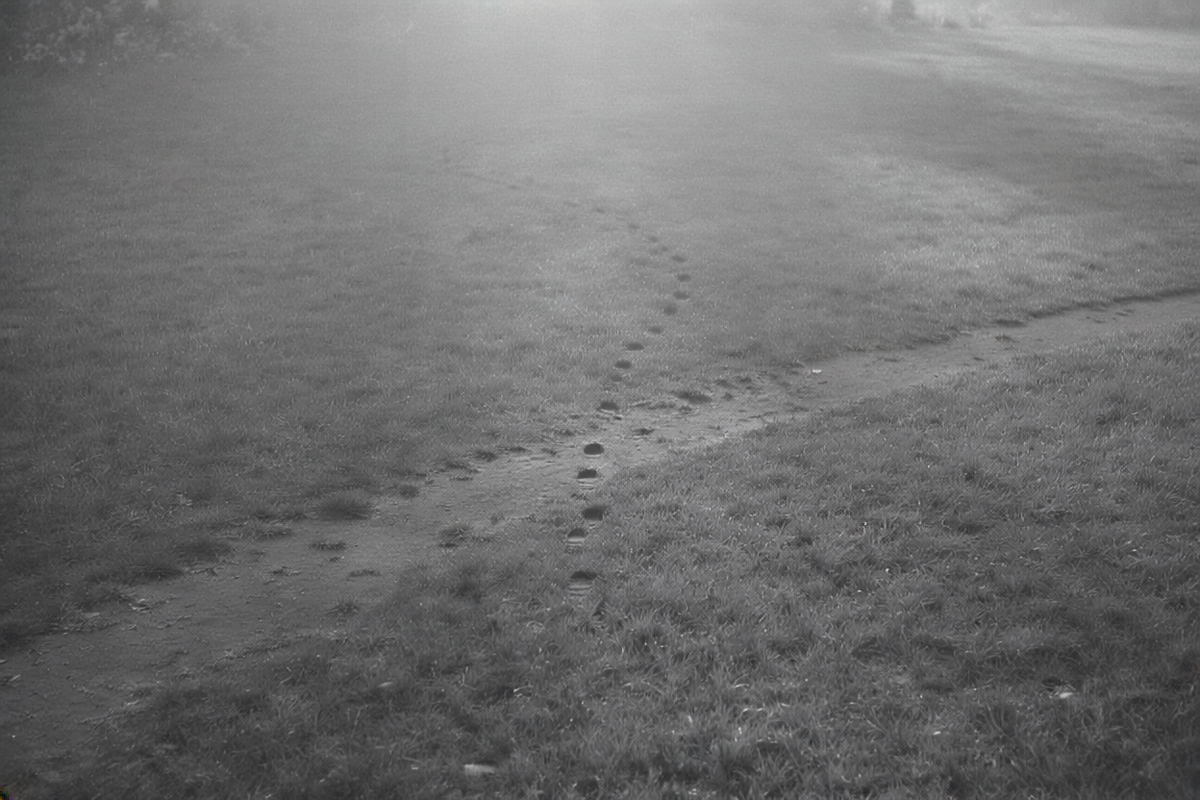
Not because you lack imagination. Because that's how we are used to inheriting ideas without even knowing it. We learn desire from observation. We watch people around us – family, peers, strangers on a screen – and we catalog what having a good life looks like. Then we spend years chasing our best reconstruction of it.
The problem is not that we look to others. The problem is that we take the wrong thing from what we see.
We take the form. We miss the feeling entirely.
What we actually inherit
When someone tells you about their fulfilling career, what you receive is the job title, the industry, maybe the lifestyle it affords. You do not receive the specific texture of their morning when the work feels exactly right. You cannot inherit the feeling of being exactly yourself inside a role that was somehow made for you.
So you aim for the title. You pursue the form. And when you get there – if you get there – something feels off. Not wrong exactly, just not quite yours. A little hollow around the edges.
This is not failure. This is the inevitable result of navigating by someone else's inner experience when all you have access to is their outer circumstances.
Every generation repeats this. Each one inherits the forms of the one before it, refines them, passes them forward. What gets lost in each iteration is the question that should have started everything: what does this actually feel like for the person living it?
The quieter signal
There is another kind of knowing – less articulate than a plan, less obvious than an ambition. It shows up as a pull toward something, an aliveness in certain rooms, a specific kind of discomfort when you are far from something true about yourself.
It is not emotion. Emotion is loud and bright and often wrong. This is something steadier. A gut knowledge. The kind of certainty that arrives without reasons attached.
Most people learn to dismiss it early. It doesn't fit into a career framework. It can't be explained to a parent or justified in a conversation. It points toward things that are hard to defend because they make sense only from the inside.
So they mute it. Slowly, persistently, in favor of the louder signals – what others expect, what seems reasonable, what has already been proven to work for someone else. And the quieter it gets, the more they rely on external blueprints, because that inner signal no longer seems available.
This is how people end up building lives that don't fit. Not from lack of trying. From years of ignoring the only honest feedback they ever had.
Testing what you feel
None of this is a case for blind trust in every passing feeling. It is not an argument for leaping without looking, or confusing restlessness with direction.
It is an argument for experience as the actual teacher.
You cannot think your way to what you need. You have to encounter it. The person who becomes the friend you didn't know you needed. The work that absorbs you in a way you didn't expect. The conversation that rearranges something in you. These moments don't arrive through planning. They arrive through presence – through being in your life rather than in your head about it.
When something pulls you, follow it small. Test it. Notice how it feels when you're inside it, not how it looked from the outside before you arrived. Your body knows. The somatic signals – the tightening, the opening, the sense of expansion or contraction – these are not noise to push through. They are feedback.
The innovators understood this. The people who created things no one had seen before, who disrupted what everyone assumed was settled – they were not smarter than everyone else. They were more willing to trust what they felt over what they were told. They tested their inner knowing against the world, stayed close to the feedback, and kept going when it was confirmed.
They followed the form that was theirs. Not borrowed.
What a life that is yours actually feels like
It will not necessarily be easy. It will not look like the examples around you. It will often be harder to explain than to simply live.
But there is a quality to a life that is genuinely yours that no amount of achievement in someone else's shape can replicate. A kind of energy that is self-renewing. A sense that even the difficult parts belong to you, and that is enough to keep going.
That feeling is not found by searching for it directly. It is found by clearing away everything that is not it – all the borrowed forms, the inherited expectations, the noise of what you are supposed to want – and listening closely enough to what remains.
What remains is yours. It always has been.