The Snapshot Problem: Why People Build a Fixed Image of You and Never Update It
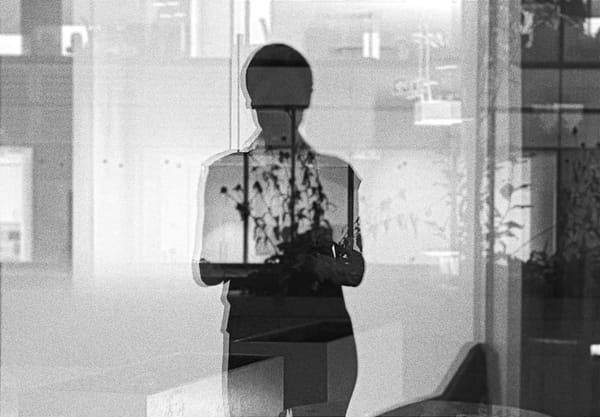
They don't see you. They see themselves, reflected back. They lash at their own pain using your name.

From a young age, I believed honesty was the only sane way to live. The logic was simple: if I hide nothing, there is nothing to fear. No one can reveal what I have already offered freely. I don't need to track my own lies, manage my own masks, or remember what version of myself I gave to which person. Honesty felt like freedom.
So when people told me not to overshare, not to say too much about how things actually are, I genuinely didn't understand the warning. I thought it was about fear – fear that someone would use the truth against you. But how can truth be weaponized? If I tell you something real, something that hurts or moves me, what exactly do you do with it that damages me?
I've spent years turning this question over. I think I finally understand it. And I see it slightly differently than most.
When you share something raw – an unprocessed feeling, a thought still finding its shape, a pain that's honest but incomplete – something specific happens in the person receiving it. It lands. It touches something in them. Not because of you, exactly, but because real things touch real things. What your honesty triggers in another person is their own history, their own fear, their own lens on the world. They don't experience what you shared. They experience what your sharing activated in them.
And then they react. From their own perception. From their own pain.
This is where people believe they've been harmed by honesty. The sharer feels misunderstood, diminished, dismissed. The reaction seems unfair, disproportionate, even attacking. But the attack was never about the trigger. The harder and more aggressive the reaction, the more it reveals about the reactor's own accumulated distortions. They don't see you. They see themselves, reflected back. They lash at their own pain using your name.
Understanding this changes everything. In theory, there is nothing to fear from honesty. Any reaction belongs entirely to the person having it. It's their perception meeting their history. Not yours.
But here is where the real problem lives, and where I had to reconcile something harder.
When someone sees you through their own lens – frightened, triggered, defensive – they take a snapshot. A fixed frame of who you are, made entirely from what your honesty activated in them. That snapshot has nothing to do with you. It's a portrait of their perception, with your name written on the bottom.
And snapshots accumulate.
Over time, especially in people who prize facts and evidence – often the most intellectually confident people I've known – those snapshots become a case file. Each one is collected and added to a narrative. The narrative hardens. They stop revising it when new evidence arrives. They cherry-pick anything that confirms what they already decided. At some point, they're no longer talking to you. They're talking to that file. They talk to the image they built, the story that made sense to them once, long ago, when they caught you in an unfinished moment.
I've lost friendships this way. Not because I was hurt by their reaction. But because I couldn't reach them anymore. The person they thought they knew had been assembled from snapshots taken at my most unprocessed moments, filtered entirely through their own lens. That image had my name but not my face. And there was nothing I could say or do to replace it. The image was theirs. It served them. It stayed.
This is, I think, what people actually mean when they warn against oversharing. Not that truth will hurt you. But that raw, unfinished truth gives people more material to misread. An unprocessed thought is more likely to be wrong, or at least not yet accurate, and simultaneously more likely to provoke. The two qualities together – imprecision and emotional charge – create the conditions for the worst kind of snapshot: one taken at a moment that wasn't even a finished version of what you meant.
I care about accuracy. I care about putting into the world something that is actually true, not just true in that instant before thinking has refined it. This is where I've landed: there is value in letting thoughts finish forming before sharing them. Not to protect myself from judgment, but to protect the truth of what I mean.
Hiding, though – editing, performing, curating – still makes no sense to me. Even knowing what I know. Even having lost people to it.
Here is why: a person who collects fixed snapshots will collect them regardless. They will build a narrative from whatever I give them, refined or raw, because that is how they relate to people. They need the world to stay still. They need people to be predictable, categorized, explained. If I filter everything I share, they will still find their evidence. They will still build their file.
So the question of whether to share honestly is also, I've come to realize, a question of compatibility. How does this person relate to change? Do they track what shifts in you, or only what stays fixed? Are they curious about who you are now, or most comfortable with who they decided you were?
The people worth keeping are the ones who notice growth. Who pay attention not to what confirms their existing picture, but to what surprises them. Who can hold two snapshots and see movement between them instead of contradiction. Who understand that a person in process is not an inconsistent person – they are an alive one.
I have invested everything I have into changing deliberately. Into rethinking, moving forward, not standing still. The irony is that the very honesty that expresses this investment is what some people use to nail me in place.
That is the tragedy of it. And also, quietly, the beauty – because it shows you, with unusual clarity, exactly who sees you and who only sees themselves.