Why the Breakdown Comes Before the Breakthrough
When real change approaches, the first thing a person feels is not excitement. It is pressure. Something most people mistake for a warning rather than an invitation.

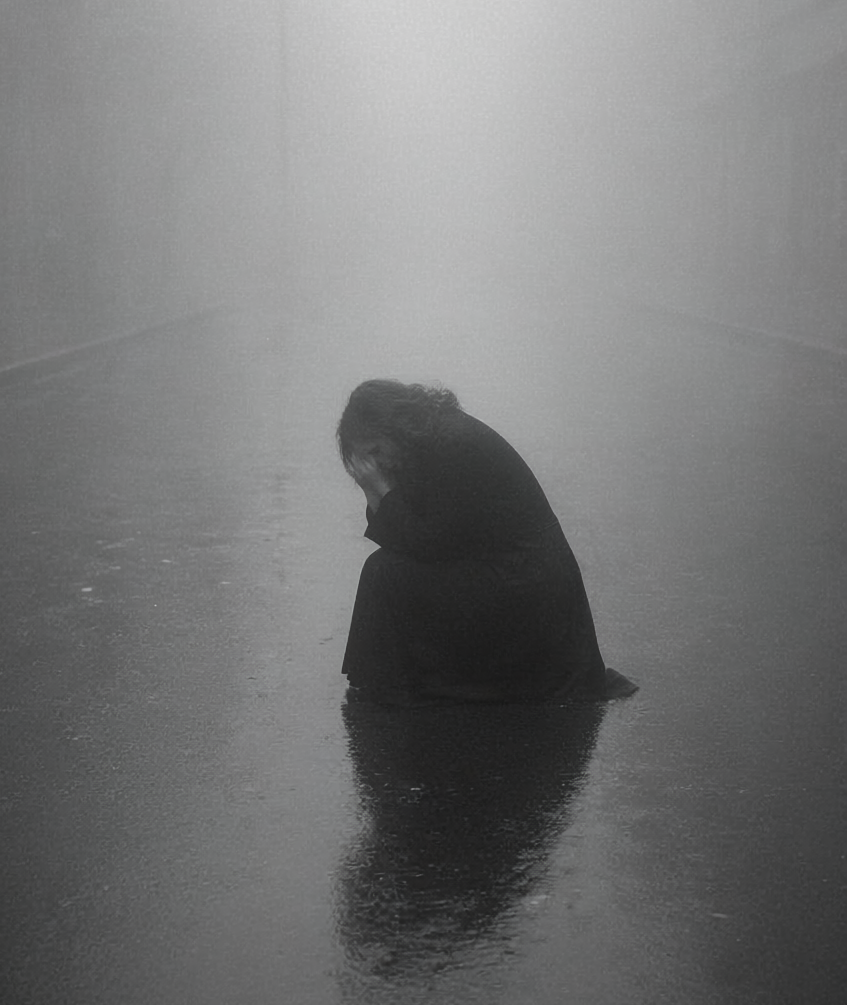
Most people spend their lives waiting for magic to arrive without disruption. They want the transformation without the discomfort, the breakthrough without the fracture. This is why so few of them find it.
Magic, by its nature, cannot arrive where the old is still intact. Wonder requires that something be overturned. And that overturning is not comfortable – it is, by definition, a disruption of everything you believed was settled.
This is the mechanism underneath every genuine transformation in human experience. Not the cinematic kind, where the change arrives as a single illuminating moment. The real kind – where a life actually shifts – always begins with the breakdown of what came before.
The disruption is the signal, not the problem
When real change approaches, the first thing a person feels is not excitement. It is pressure. A tightness in the chest. Heaviness. Something that resembles pain closely enough that most people mistake it for a warning rather than an invitation.
The difference between those two interpretations shapes everything that follows. Read the feeling as a threat and you protect yourself from it – which is to say, you protect the old. Read it as a signal and you can begin to move toward it.
There is something beneath this particular discomfort that distinguishes it from ordinary pain: a quality of knowing. A part of you that recognizes this as necessary rather than harmful. That recognition is subtle, especially at first. But it is learnable. And learning to hear it changes the entire relationship with change.
Why you must see the old before you can leave it
The disruption is not arbitrary. It serves a function. You cannot step into a genuinely new chapter of your life while still carrying unexamined assumptions from the last one. The pressure of disruption surfaces exactly what needs to be seen: the past choices, the old patterns, the stories you have been living inside without knowing they were stories.
This is the part of transformation that is "sometimes ugly, sometimes painful, sometimes sad." You see your life as it was, not as you wished it had been. You see the choices that built the walls you are now pushing against. And in that seeing – that clear, uncomfortable seeing – the grip of the old begins to release.
You cannot choose a new path until you understand what path you have been on. The disruption forces that understanding.
What magic actually looks like
Strip away the cultural mythology – the unicorns, the supernatural visitations, the dramatic lightning-strike moments – and what remains is something more interesting and more demanding. Magic is the arrival of something you genuinely could not have imagined, because your imagination was bound by the limits of your experience.
It does not announce itself. One of the clearest examples of this is the quiet transformation that comes through a relationship. A person you have known for years, whom you underestimated or questioned or nearly let go – who turns out to have been reshaping your life from the inside, gently and consistently, the whole time. The magic was present before you recognized it. It was working before you had the categories to see it.
This is the character of real transformation: it is steady. It does not require you to believe in it first. It does not perform. It simply operates – and you realize, often in retrospect, that something profound has been happening while you were busy doubting it.
Faith as a technology for the unknown
Human beings invented religion, in part, because they needed a framework for this process. They needed a name for the experience of something greater than the known entering their lives. What religion got right – before the rules accumulated and the doctrine hardened – was the central insight of faith: that it is both possible and worthwhile to believe in something you have not yet seen.
That posture of openness is what magic actually requires. Not a specific belief system, not any particular theology, but a fundamental willingness to step into experience before you know where it leads. Rules and doctrines, taken too far, constrain that openness. But the underlying impulse – to trust what you cannot yet verify – is precisely what allows new things to enter.
The practice of dismantling
If this process can be turned into a practice – and it can – it looks like this:
Take one area of your life. Allow the old assumptions about it to be questioned. Sit with the discomfort of not knowing what replaces them. Observe what arrives. Try it. Trust the experience enough to learn from it. Then repeat.
The practice does not get comfortable. It gets familiar. There is a difference. Comfort would mean the stakes have disappeared, which would mean the learning has stopped. Familiarity means you trust the process even when the outcome is unclear. You know the shape of the disruption. You know what it signals. And you move toward it rather than away.
This is how a life becomes, in the truest sense of the word, magical. Not fantastical. Not exempt from difficulty or grief or ordinary human friction. But genuinely, consistently surprising. Capable of revealing things that no amount of planning could have produced.
The disruption at the threshold is not a warning that you are about to fall. It is confirmation that you are about to step somewhere new.
That is all magic has ever been – and all it needs to be.